Cross media is when something is marketed through different forms of media. I did my own study on Beyonce and her career. This research has allowed me to study in detail how an artist is marketed through all media platforms; even the website is selling the artist. This is important research for when we construct a digipak and music video as we will have to keep in mind that it is ultimately a marketing tool. Our chosen image will have to consistent throughout also.
Monday, 22 July 2013
Cross Media Case Study
Cross media is when something is marketed through different forms of media. I did my own study on Beyonce and her career. This research has allowed me to study in detail how an artist is marketed through all media platforms; even the website is selling the artist. This is important research for when we construct a digipak and music video as we will have to keep in mind that it is ultimately a marketing tool. Our chosen image will have to consistent throughout also.

Thursday, 11 July 2013
The White Stripes
This research has taught me how powerful the influence of a record label can be. When we make the brief for our artist, we will have to consider her background and record label and so I researched The White Stripes because they were a good example of how a change in record label can influence success. This knowledge will help when we come up with our chosen record label; we are thinking of the pop genre and so our artist will have to be signed to a conglomerate record label [even if it means a change in label during their career] in order to reflect the genre appropriately. The record label will have signed major artists previously and our artist may reflect elements of these artists to help with marketing [Adorno and Horkheimer theory).
Monday, 8 July 2013
Culture Industry
First coined by
critical theorists Adorno and Horkheimer, culture industry is a theory that
argues products in the culture industry exist as a result of a standardized and
planned method of marketing/selling. Using an assembly line character as an
example, this means that production within the culture industry is a repetitive
routine that produces the same uncreative result each time. Adorno and
Horkheimer were critical of this approach, claiming that it destroyed any
chance of creativity or being unique as cultural items would all be manipulated
in a similar way in order to compliment hegemonic values to appeal to a mass
audience and make more money. As a mass audience, we are passive to this due to
capitalism having the power to manipulate us and cultural items. This theory has become so common that the audience are used to it and so accept it wholly.
This could be applied to the music industry in particular. It could be argued that artists nowadays are all the same or at least share similar traits. This is because they have been manipulated by capitalism; it is clear what makes money and so this image is repeated all the time in different acts in order to guarantee success and, more importantly, money. Whilst culture industry certainly works in regards to success, it arguably is not a positive theory within the music industry as it makes it difficult for artists who differ from the 'status quo' to become successful. They either have to be manufactured to fit the same mould or they are not successful in the music industry.
Learning about this theory in class and researching examples is helpful because it teaches me more about the music industry. Whilst we want our artist to have an alternative element, this theory shows that in order to make her successful we have to obey certain genre characteristics. If we make her too different, she won't be mainstream. This is something we will consider when coming up with both our artist and target audience.
 It could be argued that all popular artists in the music industry have been manufactured in some way by capitalism. I would argue that Melanie Fiona is an artist that is not a complete result of the culture industry theory as she first found her success by performing in Toronto nightclubs to a small, limited audience and so was free to make her own sound and image without the interference from capitalism. Her first album (The Bridge) is of the R&B/soul genre (as opposed to the pop genre where the culture industry theory applies the most) and I argue that she has not been manufactored by captialism as she states herself that she declined major record label offers in order to prevent them changing her "into someone else completely different".
As a result of this, even though Melanie did not have huge fame and still continues to play shows in intimate venues to small audiences instead of a huge arena audience. This could show that because her music remains of the R&B genre as opposed to manufactored pop, although her identity as an individual artist still remains, she won't have any critical success because her style differes from what we are used to seeing in the charts.
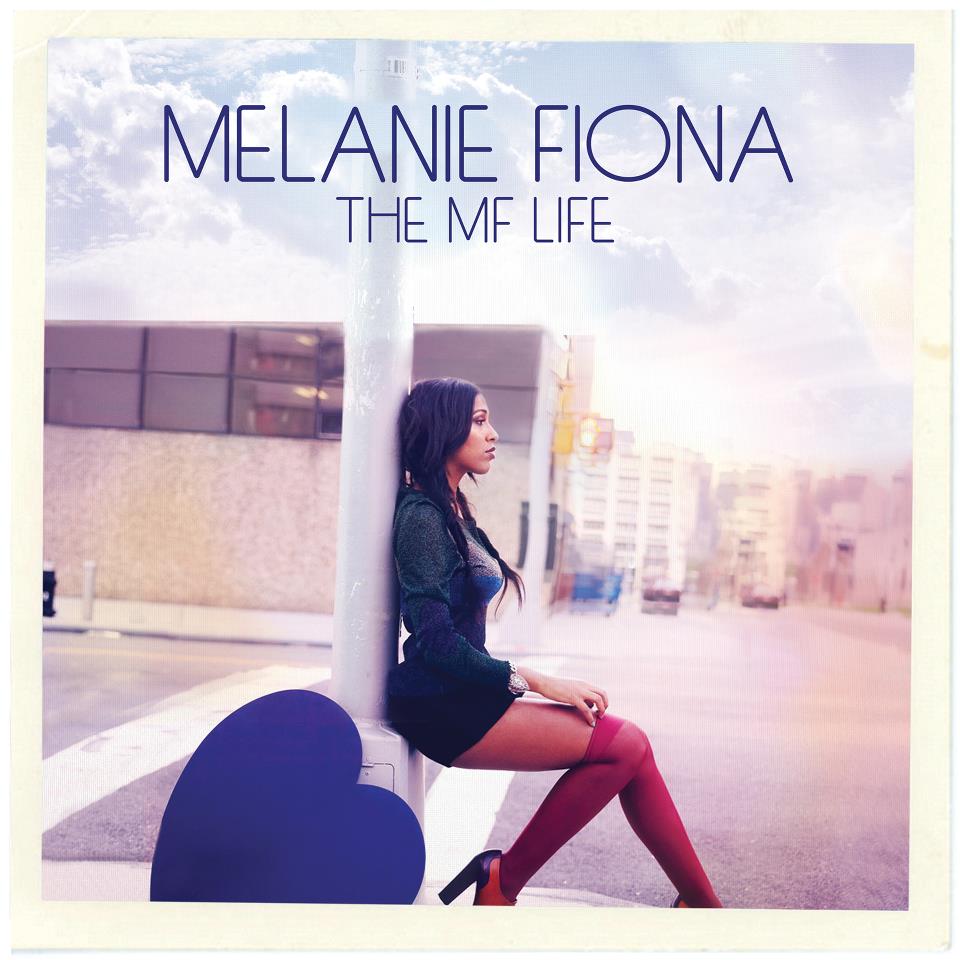 However, Melania Fiona has since been signed to Roc Nation - a major record label as opposed to her previous RC Motown label -- it could be argued that she had been manufactured to an extent. Her second album did lean more towards the pop genre that her first did with one track even featuring autotune. This could support the culture industry theory as now that Melanie's sound has changed slightly, she suddenly found more critical success; she won two grammies for her second album.
This could be applied to the music industry in particular. It could be argued that artists nowadays are all the same or at least share similar traits. This is because they have been manipulated by capitalism; it is clear what makes money and so this image is repeated all the time in different acts in order to guarantee success and, more importantly, money. Whilst culture industry certainly works in regards to success, it arguably is not a positive theory within the music industry as it makes it difficult for artists who differ from the 'status quo' to become successful. They either have to be manufactured to fit the same mould or they are not successful in the music industry.
Learning about this theory in class and researching examples is helpful because it teaches me more about the music industry. Whilst we want our artist to have an alternative element, this theory shows that in order to make her successful we have to obey certain genre characteristics. If we make her too different, she won't be mainstream. This is something we will consider when coming up with both our artist and target audience.
It could be argued that all popular artists in the music industry have been manufactured in some way by capitalism. I would argue that Melanie Fiona is an artist that is not a complete result of the culture industry theory as she first found her success by performing in Toronto nightclubs to a small, limited audience and so was free to make her own sound and image without the interference from capitalism. Her first album (The Bridge) is of the R&B/soul genre (as opposed to the pop genre where the culture industry theory applies the most) and I argue that she has not been manufactored by captialism as she states herself that she declined major record label offers in order to prevent them changing her "into someone else completely different". As a result of this, even though Melanie did not have huge fame and still continues to play shows in intimate venues to small audiences instead of a huge arena audience. This could show that because her music remains of the R&B genre as opposed to manufactored pop, although her identity as an individual artist still remains, she won't have any critical success because her style differes from what we are used to seeing in the charts.
However, Melania Fiona has since been signed to Roc Nation - a major record label as opposed to her previous RC Motown label -- it could be argued that she had been manufactured to an extent. Her second album did lean more towards the pop genre that her first did with one track even featuring autotune. This could support the culture industry theory as now that Melanie's sound has changed slightly, she suddenly found more critical success; she won two grammies for her second album.Thursday, 4 July 2013
Goodwin's Analysis: Red Hot Chili Peppers


RED HOT CHILI PEPPERS - DANI CALIFORNIA
"Dani California" features the Red Hot Chili Peppers in several different outfits that are obvious references to significant genres/eras or even an actual artist -- e.g Elvis Presley, Prince, The Beatles etc -- which firstly supports Goodwin's analysis as these are intertextual references to other media forms.
Interestingly, whilst there are several shots of the whole band to market them, the majority of the close ups are of the lead singer, identifying him as the commodity and again supporting Goodwin's analysis that close ups will be frequent to show demands of the record label.
As a rock band, the element of live performance is a genre characteristics that has been used to construct the whole music video and so this also supports Goodwin's analysis that the music video will reflect the genre.
No females are featured in the video so there is no voyeuristic treatment of the female body or reference to the notion of looking, but Goodwin's analysis still continues to demonstrate itself throughout.
This music video features intertextual referencing throughout. This isn't necessarily something we would want to be present in the whole video like this example, but it is definitely something we would consider. This supports that close-ups are the most common point from Goodwin's analysis and I thought it was particularly interesting that there was more focus on the lead singer than the other band members. Applying Goodwin's analysis to music videos has providing me with examples of the theory in action.
Goodwin's Analysis: Tenacious D
I decided to apply Goodwin's analysis to some modern day music videos in order to further my understanding of it. It is clear that, no matter what genre, elements of the analysis are always present -- most notably close-ups. This is something to note for the production of our video; the main focus is to sell our artist and their image as a commodity but obviously there has to be an entertaining element also. I also enjoyed the ongoing literal relationship between visuals and lyrics; it is something we could use for parts of our music video.
TENACIOUS D - TRIBUTE
 Tenacious D's music video for their single Tribute firstly supports Goodwin's analysis of music videos due to the fact that the song details a story of the band's encounter with the devil and the music video visually portrays this, displaying a clear relationship between the lyrics/music and visuals. The majority of the lyrics within the song are paired with the visuals detailing the band members doing the exact action stated in the song.

E.g, "We was hitchhiking down a long and lonesome road" is paired with the above mid shot of the band members and the line "we played the first thing that came to our heads" is matched with several shots of the two men singing and playing the guitar for the devil.
 Goodwin stated that genre characteristics would be present within music videos and "Tribute" complies with this: Tenacious D are a rock duo and so their music videos include guitars and wild stage performance.
Close-ups of the band members' faces are also present throughout the video; a point that Goodwin highlighted in order to sell the artist/s as a commodity.
Wednesday, 3 July 2013
Music Videos & Goodwin's Analysis
Music videos are used as a form of marketing for the artist and have existed since the late 1920s. The 1970s were a breakthrough year for the art of music videos as record industries discovered television as a means of promotion. Early music videos were produced as short televised promos for market an artist/band.
Concept music video: A music video that isn't necessarily just the artist performing but has a concept.
Non representational music video: A music video in which the artist is not present.
The advancement of digital technology (e.g, CGI, green screen) have allowed any artist to produce a music video cheaply and quickly. The first modern music video is generally considered to be Bob Dylan's Subterranean Homesick Blues.
Close ups (usually of the artist) are frequent in music videos as they create a sense of intimacy but mostly emphasize and sell the artist as a commodity. They are designed to be watched several times and involve fast cuts.
A key theory in music videos is Goodwin's music video analysis:
- Music video will demonstrate genre characteristics (e.g, stage performance in a rock video or a dance routine in a pop video)
- There will be a relationship between the lyrics and visuals
- Similarly, there will be a relationship between the music and visuals
- Demands of the record label will be clear, including the need for several close ups to sell/market the artist or artists may develop a recognizable motif/visual style
- There will be frequent reference to the notion of looking (e.g, screens within screens, telescopes etc) and voyeuristic treatment of the female body
- Lastly, there is often intertextual reference to other media forms like films, television programmes or even other music videos
This research from lesson was helpful because I learnt about the codes and conventions of music videos through Goodwin's analysis and so I can refer to this when we make our music video. It also helped contextualise music videos and emphasize that they are essentially a source of marketing, so certain things like close-ups need to be present.
Subscribe to:
Posts (Atom)